

Many geeks love the post-apocalyptic genre. End times are fascinating to us for a great number of reasons. We’ve all enjoyed seeing marauding bandits roam the wasteland only to get dealt with by leather-clad anti-heroes. The origin of the total destruction of civilization plays a significant role in the realism of this type of setting.
Some settings are drawn directly from real world concerns about what the future holds. The Mad Max series of films imagines a world without fossil fuels and the collapse that ensued. That setting was directly inspired by the Arab Oil Embargo which threatened the economies of the developed world.
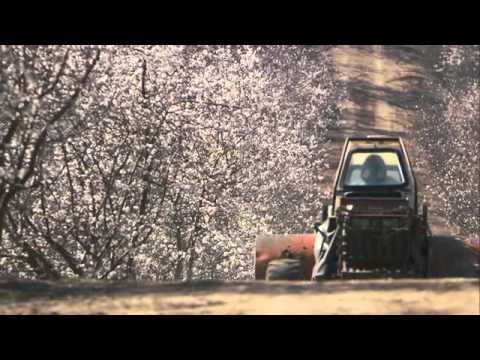
Ecological threats can be just as inspiring for the post-apocalyptic milieu. More Than Honey is a Swiss documentary about the global epidemic of unexplained bee deaths. All over the world, bees are suffering from a mystery syndrome called Colony Collapse Disorder (CCD).
I’ve followed this looming biological disaster for several years now. The impact of bees on food supply is astounding. According to the film, a third of our food is a direct result of bee-driven pollination. Given the exponential rate of population growth, a sudden disruption to food crops could have devastating effects on human health and global stability. Bees are indeed more than just honey.

An important theme that the filmmaker illustrates is how industrialization and over-domestication has weakened and sickened the bee populations of the world. Entire regions of China have no bees and the pollination is painstakingly carried out by hand. The United States’ industrial-scale bee-keepers treat our furry flying insect friends like little machines. The consequences for so thoughtlessly disrupting nature is a point that Imhoof makes with subtle consistency.

As a nature documentary, an expression of activism, and an artful film, More Than Honey is a remarkable success.